HOW IT WORKS
Light becomes current
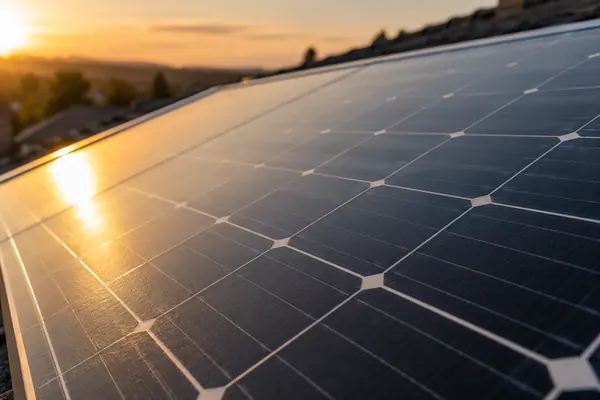
The US Department of Energy says sunlight absorbed by PV cells creates charges that move in response to an internal electrical field, producing a current. One cell gives about 1 or 2 watts.
See the numbersWHAT THE ENERGY EXPERTS SAY
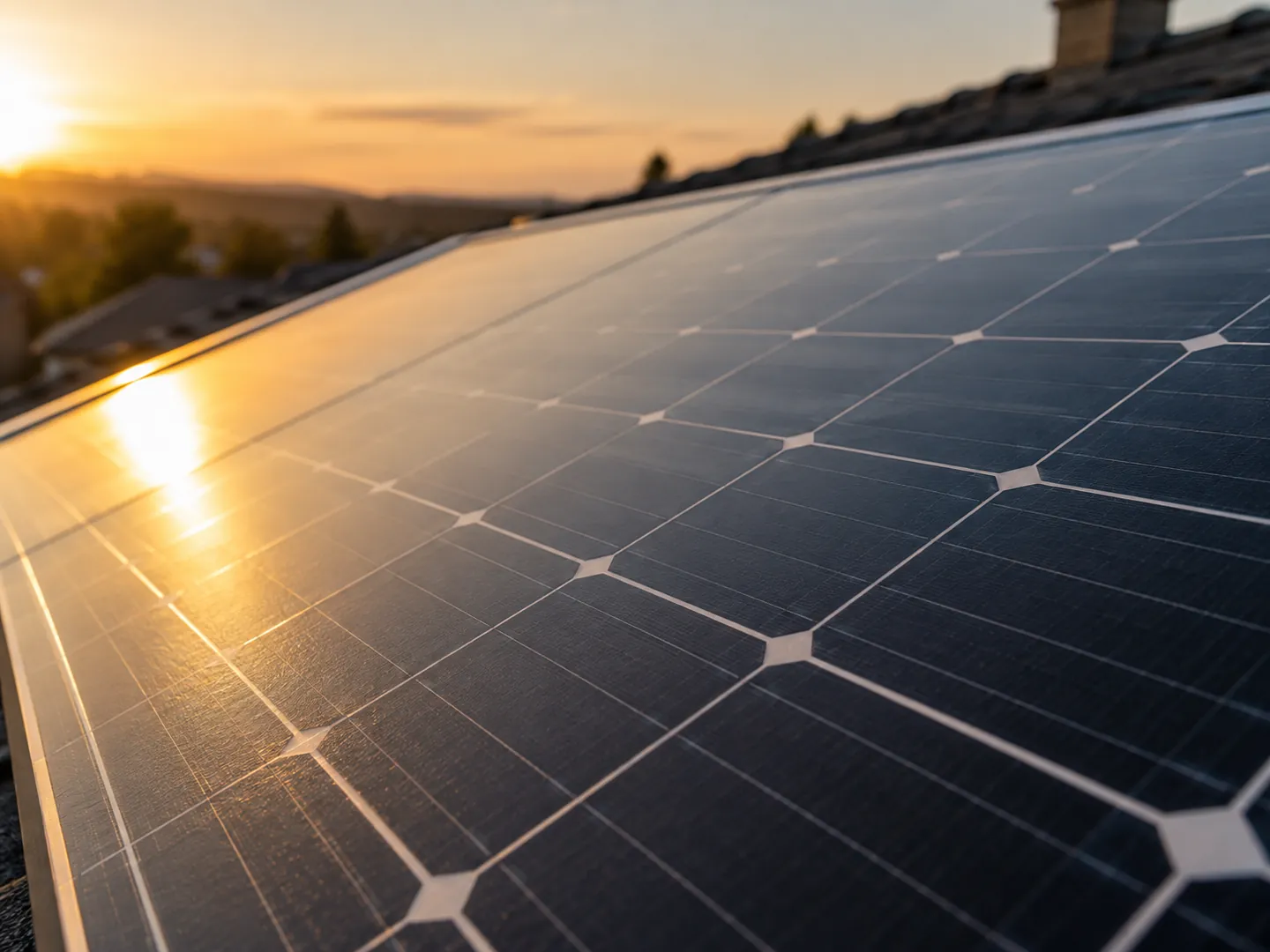
A solar panel is a chain of small cells.
Each cell turns sunlight into a small electric current, and an inverter turns that into the kind of electricity your home uses. How much you get depends mostly on which way the roof faces and what shades it.
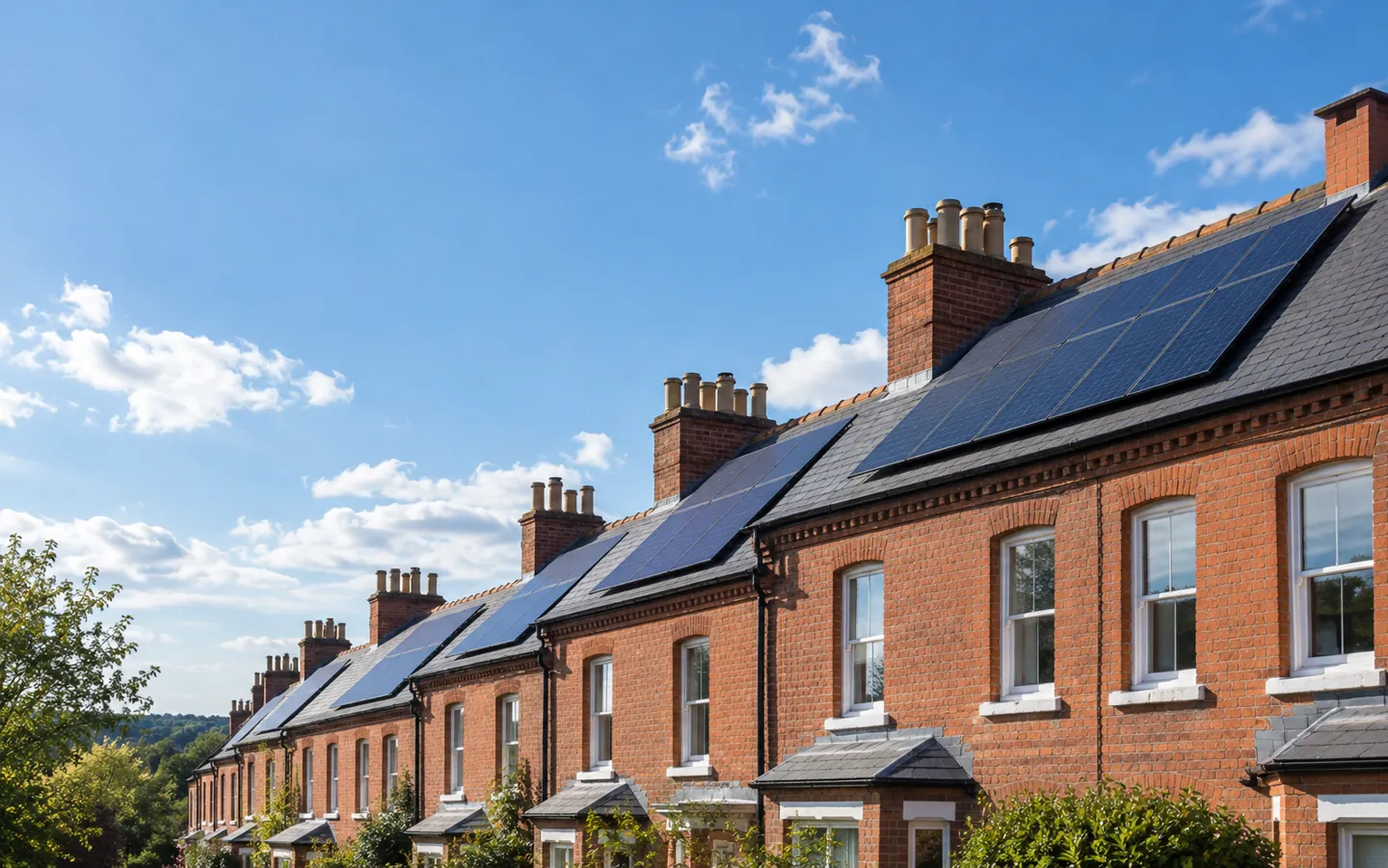
FACE SOUTH and keep out of the shade
THE SHORT ANSWER
The physics is simple.
The roof does most of the deciding.
HOW IT WORKS
The US Department of Energy says sunlight absorbed by PV cells creates charges that move in response to an internal electrical field, producing a current. One cell gives about 1 or 2 watts.
See the numbersTHE ROOF
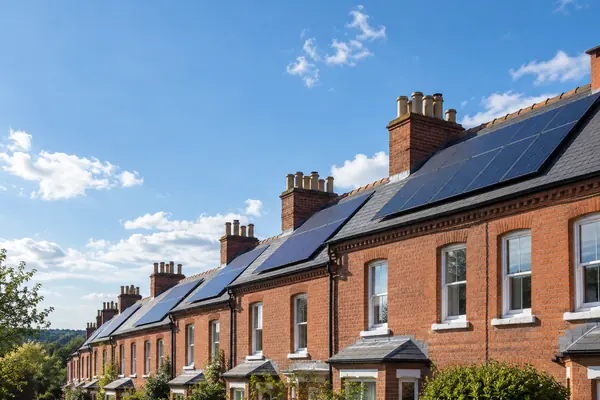
The Energy Saving Trust says a south-facing, unshaded roof performs best. East or west roofs get roughly 15 to 20% less energy.
Check a roofUPKEEP
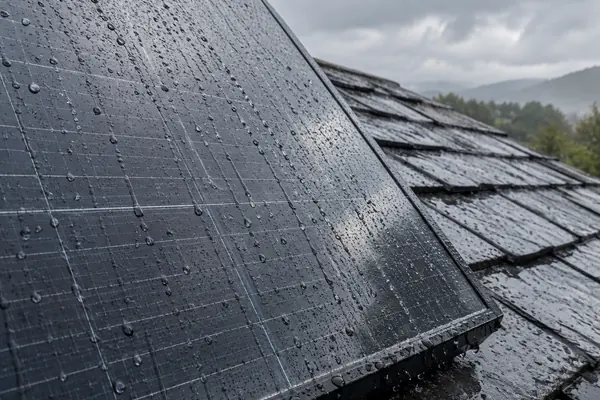
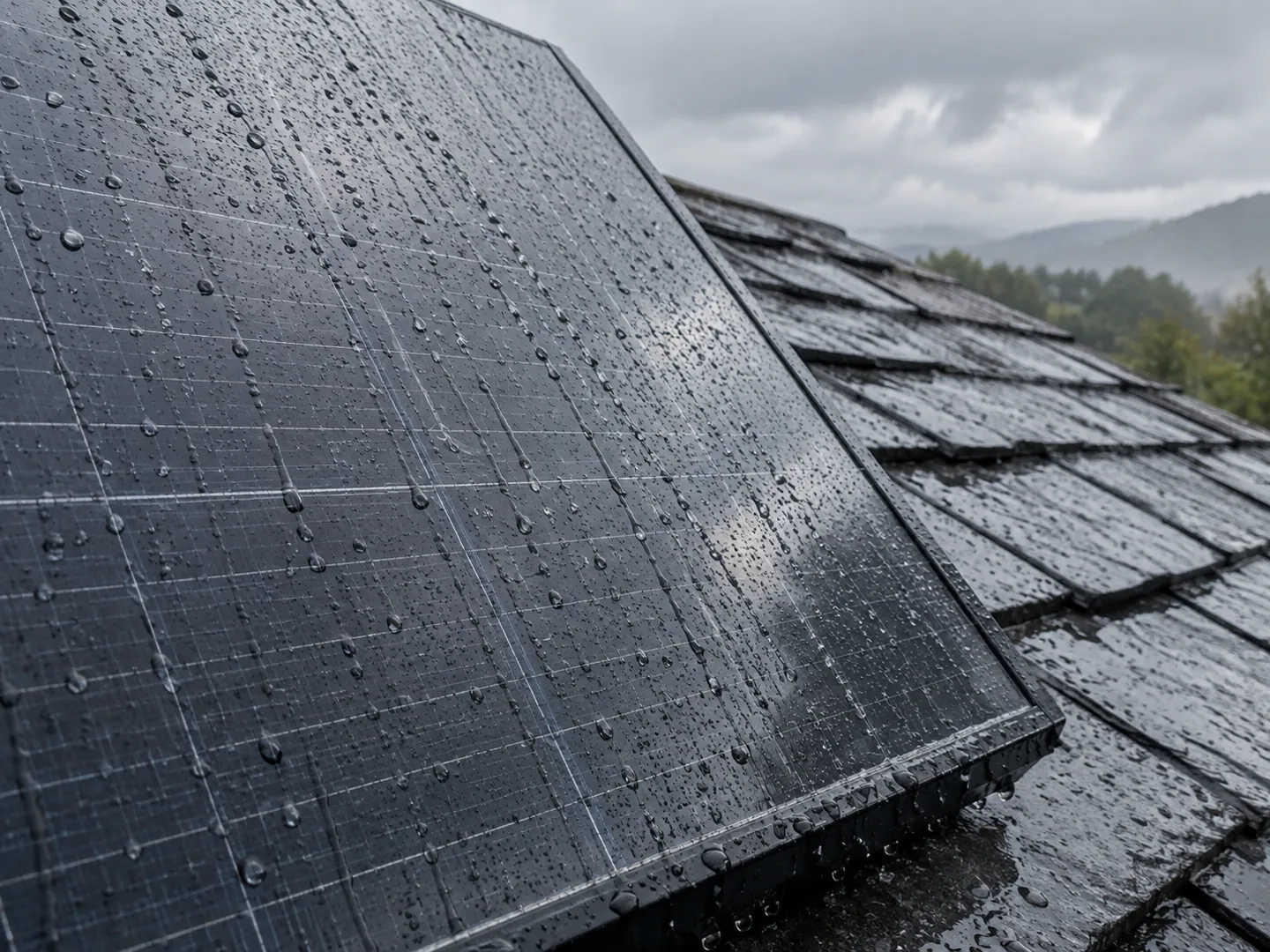
In the UK, rain cleans panels tilted at 15 degrees or more, says the Energy Saving Trust. The main job is trimming trees that cast shade.
Looking after themA QUICK ROOF CHECK
Pick the roof closest to yours to see what the Energy Saving Trust says. The bar shows how well that roof suits solar panels.
Based on Energy Saving Trust advice on solar panels (last updated 1 October 2026). An accredited installer will survey the actual roof.
TWO NUMBERS WORTH KNOWING
One figure for the size of a typical home system,
one for how long the panels should last.
4.5 kWp
Average home system, peak output
kWp is the maximum output in ideal conditions. A system this size typically needs 20 to 30 square metres of roof and around 12 panels.
SYSTEM SIZE · ENERGY SAVING TRUST
25+ years
How long panels should last
The Energy Saving Trust says panels should last 25 years or more, while the inverter usually needs replacing after about 12 years.
LIFESPAN · ENERGY SAVING TRUST
The Energy Saving Trust cites UK Government data showing about 1.7 million home solar installations across the UK.
FOUR THINGS TO KNOW
Solar panels have no moving parts on the roof. These points cover what owners are usually told to watch for.
Trimming nearby trees is the main maintenance task, says the Energy Saving Trust.
Panels tilted at 15 degrees or more are cleaned by UK rain. Ground-mounted or dusty sites may need the odd clean.
The inverter converts DC to AC and usually needs replacing after about 12 years.
Home panels are usually permitted development, but listed buildings, conservation areas and national parks can differ. Check with your local planning office.
SENDING POWER BACK
Under the Smart Export Guarantee, which Ofgem says began on 1 January 2020, some electricity suppliers pay small-scale generators for low-carbon electricity they export, based on export meter readings.
Suppliers set the rate and contract terms, and rates must be above zero. Solar PV in Great Britain up to 5 MW can be eligible. Systems also have to be registered with the local Distribution Network Operator, which installers usually handle.
Questions
Yes, though less. The Energy Saving Trust says cells can even work on cloudy days, but stronger sunshine produces more electricity.
Kilowatt peak: the maximum output of a system in ideal conditions. The Energy Saving Trust says the average home system is about 4.5 kWp.
South and unshaded is best. East- or west-facing systems get roughly 15 to 20% less energy, and north-facing roofs are not recommended.
Usually not: home solar panels are normally permitted development. Listed buildings, conservation areas and national parks are exceptions to check with your local planning office.
The Energy Saving Trust says panels should last 25 years or more. Inverters usually need replacing after about 12 years and come with warranties of at least five years.
Sources
ABOUT THIS NAME
It is not open for bids or leasing right now. Browse the catalogue for names you can bid on or lease today.